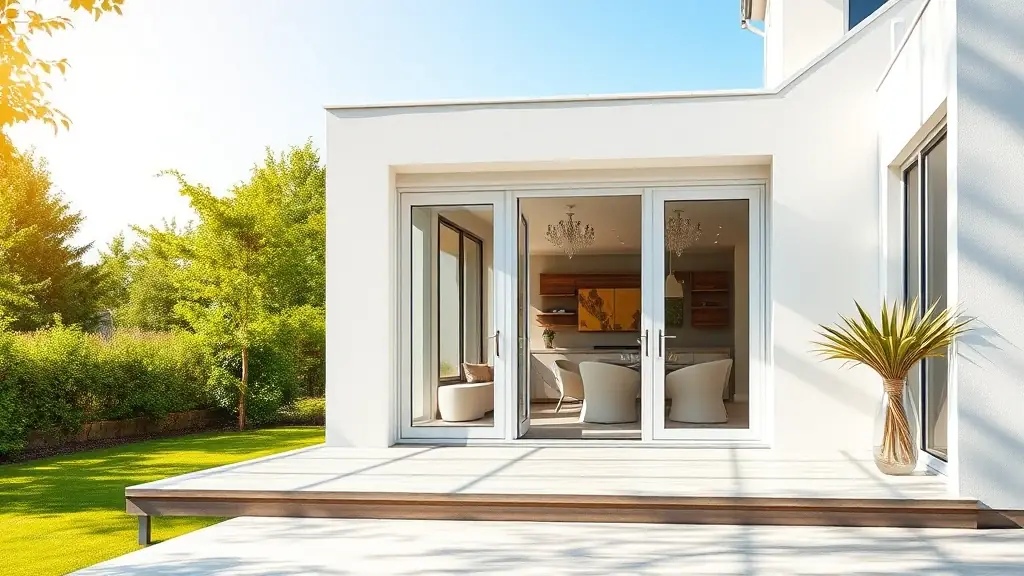
Embarking on a home extension can significantly enhance your living space and add value to your property. However, before you start knocking down walls, it’s essential to navigate the often-complex world of planning permission. In the UK, planning permission is required for many types of building work, and failing to obtain it can lead to costly enforcement action. This article will guide you through the key aspects of planning permission for home extensions, ensuring your project stays on the right side of the law. Understanding these regulations is the first step towards a successful and stress-free extension project.
Firstly, it’s important to determine whether your proposed extension requires planning permission at all. Many smaller extensions fall under ‘Permitted Development’ rights, meaning you don’t need to apply for planning permission. These rights are subject to certain limits and conditions, such as the size and height of the extension, its proximity to boundaries, and the materials used. For example, a single-storey rear extension can typically be built without planning permission if it doesn’t extend beyond a certain distance from the original house (usually 3 or 4 metres for terraced or semi-detached houses, and 4 or 8 metres for detached houses). Always check the specific rules that apply to your property, as these can vary depending on location and any previous extensions.
If your extension doesn’t fall under Permitted Development, you’ll need to submit a planning application to your local council. This involves providing detailed plans and drawings of your proposed extension, along with a completed application form and the relevant fee. The council will then consult with neighbours and other interested parties before making a decision. The process can take several weeks or even months, so it’s important to factor this into your project timeline. Common reasons for refusal include concerns about the impact on neighbouring properties, the appearance of the extension, or its effect on local amenities. If your application is refused, you have the right to appeal the decision.
Finally, remember that planning permission is just one aspect of building regulations compliance. Even if your extension doesn’t require planning permission, it will still need to meet building regulations standards for safety, energy efficiency, and accessibility. These regulations cover everything from the structural integrity of the building to the insulation and ventilation. Engaging a qualified architect or builder can help ensure your extension complies with all relevant regulations. Ready to transform your home? Contact AKA Interiors today for expert guidance on planning permission and building regulations for your extension project.