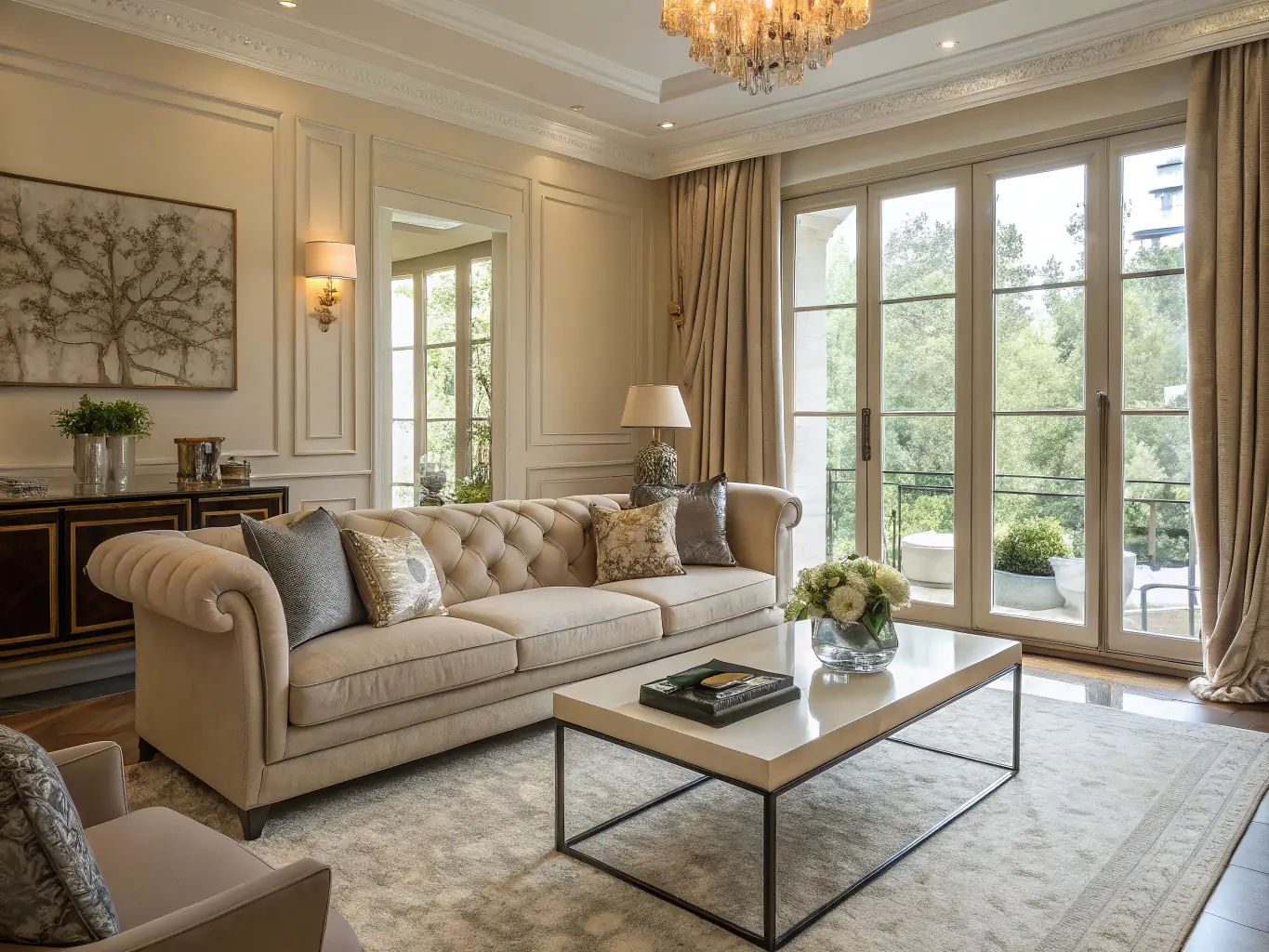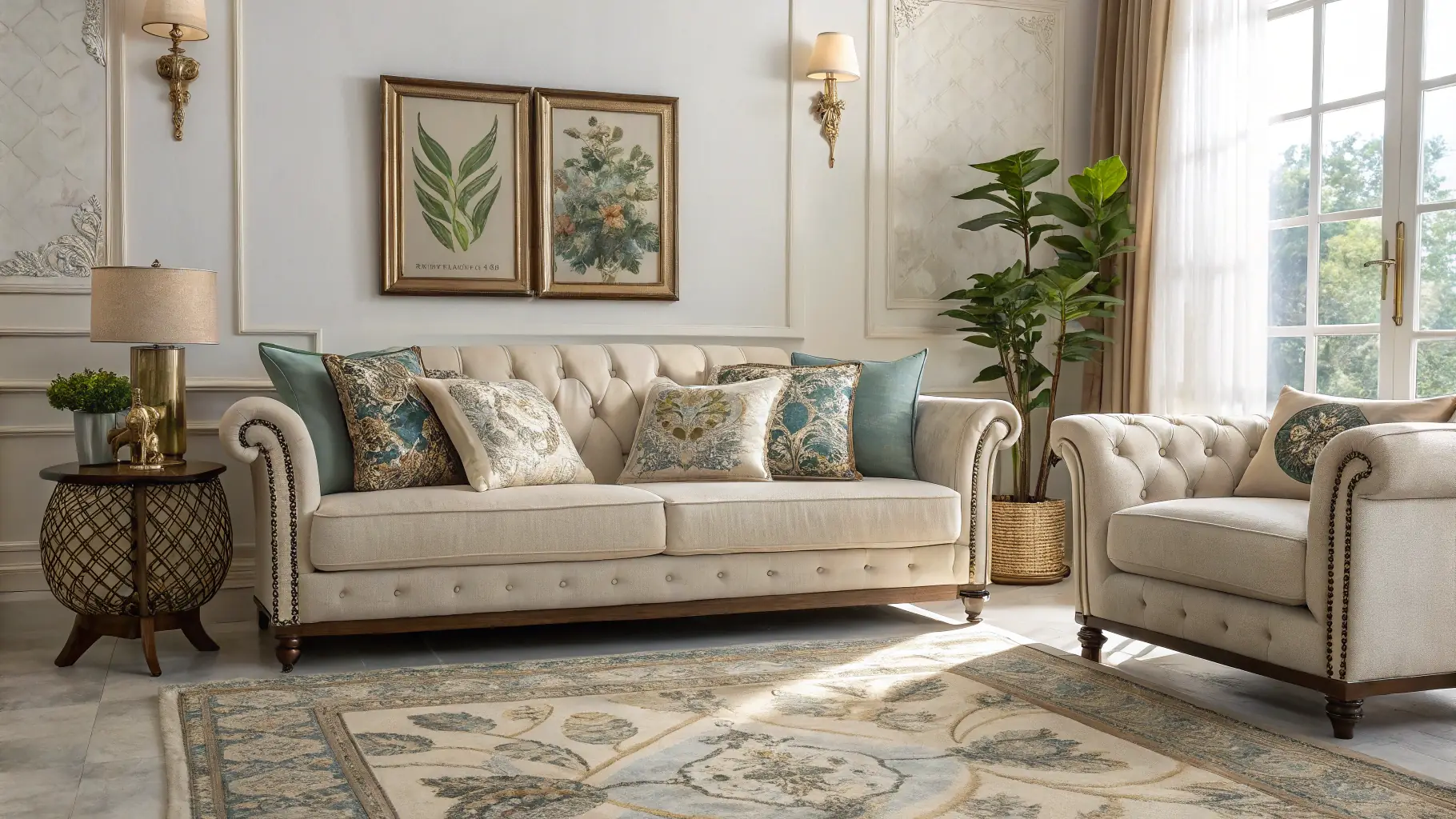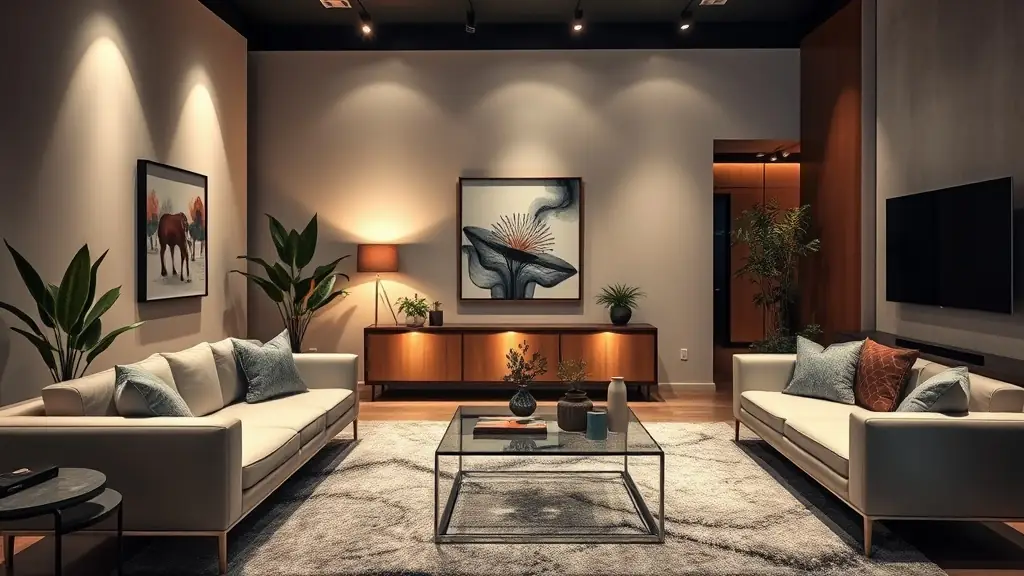
For years, hotel interiors were something to admire briefly, then leave behind. Now they are slipping into domestic life, especially in London, where people want homes that do more: calmer bedrooms, better lighting, seating that draws people into conversation instead of just filling a corner. The influence has less to do with five-star flash and more to do with how a room feels at 9pm on a Wednesday.
The shift is easy to spot. Bedrooms are getting the same attention as suites, with layered curtains, dimmable lamps and proper headboards. Bathrooms are becoming softer and more tactile, with stone, timber and flattering pools of light instead of stark downlights. Even hallways, once neglected, are getting the kind of attention hotels have long understood: scent, texture and a sense of arrival.
That is partly why interest in interior designers London remains so strong. People are not just chasing a fashionable look. They are trying to borrow the thinking behind hospitality design and adapt it to daily life. In a city where square footage is precious, the appeal lies in rooms that feel considered, generous and quietly escapist without tipping into theatre.
The hotel habits worth stealing
- Layered lighting instead of one harsh central fitting.
- Materials with patina such as brushed brass, timber and natural stone.
- Furniture with purpose, where every chair, table and console earns its place.
- A restrained palette lifted by one or two richer notes.
The best part of this trend is that it works. Good hotel design has always been about comfort, ease and atmosphere. Those are exactly the qualities many homes miss when they are decorated too quickly. London, with its mix of period bones and modern pressure, suits this approach. Done well, the result is not a home that looks like a hotel lobby, but one that understands the luxury of being easy to live in.
Featured image credit: AI generated.